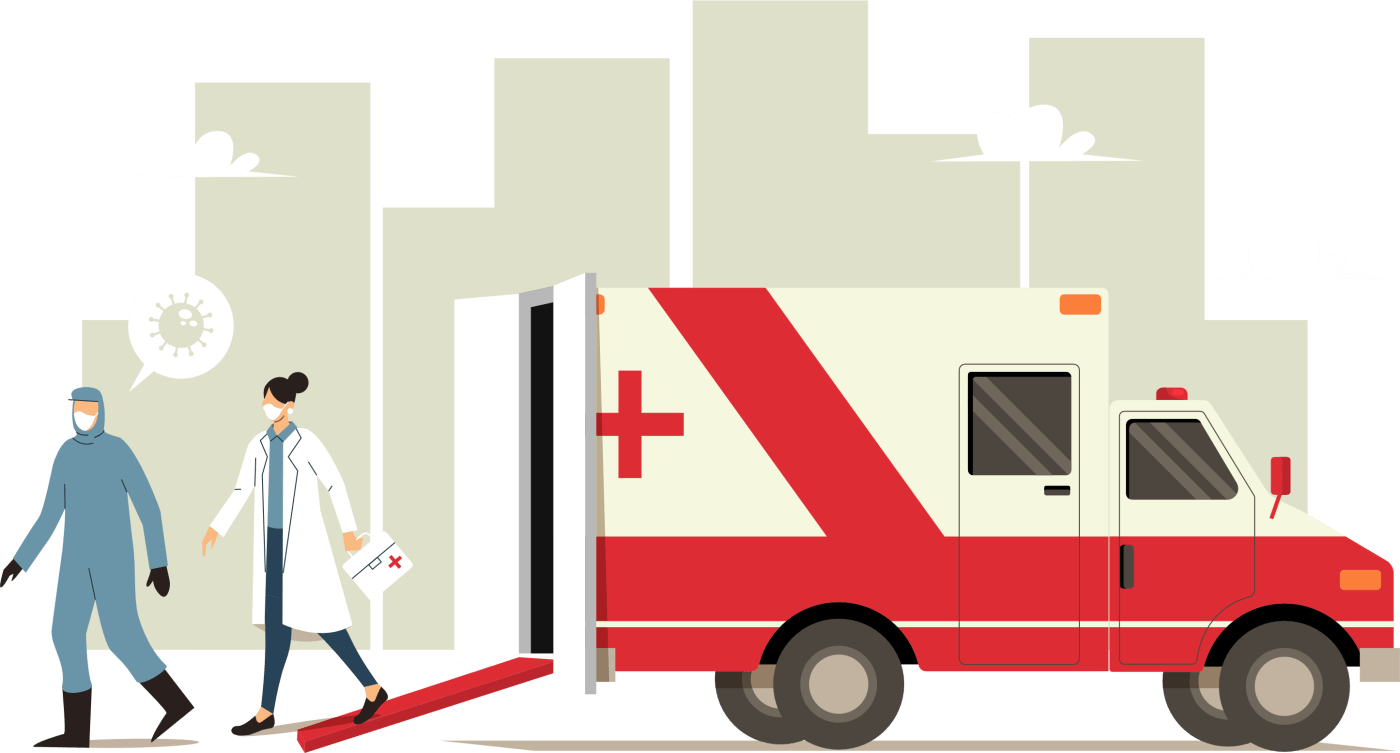
In the bustling metropolis of Delhi, where millions reside and commute daily, the need for efficient emergency medical services is paramount. In crisis situations, such as accidents, sudden illnesses, or natural disasters, timely access to ambulance services can make a critical difference in saving lives and minimizing the impact of emergencies. This comprehensive guide aims to equip residents of Delhi with the knowledge and tools necessary to effectively utilize ambulance services during crisis situations, ensuring prompt medical assistance and optimal outcomes.
Understanding the Ambulance Services Landscape in Delhi:
Before delving into emergency preparedness strategies, it’s essential to familiarize oneself with the ambulance services landscape in Delhi. In Delhi, ambulance services are provided by both government-run agencies, such as the Centralized Accident and Trauma Services (CATS), and private ambulance operators. The Delhi government’s helpline number, 102, serves as the equivalent of 911 in other countries, connecting callers with emergency medical services (EMS) dispatchers who coordinate ambulance responses.
Key Elements of Emergency Preparedness:
Know When to Call for Help:
The first step in emergency preparedness is recognizing when to activate ambulance services. Common scenarios that warrant calling for ambulance assistance include severe injuries, chest pain, difficulty breathing, loss of consciousness, stroke symptoms, and childbirth complications. It’s crucial not to delay seeking help in such situations, as early medical intervention can significantly improve outcomes.
Program Important Numbers:
Save emergency contact numbers, including the Delhi ambulance helpline (102) and local hospital contacts, in your phone’s speed dial or address book. Additionally, consider registering with mobile applications that provide real-time ambulance tracking and dispatch services, facilitating quicker access to emergency assistance when needed.
Provide Accurate Location Information:
When calling for an Ambulance service in delhi, provide precise location details to the EMS dispatcher, including landmarks, street names, and nearby intersections. If possible, use geo-location features on smartphones to share your exact coordinates with emergency responders, expediting their arrival to the scene.
Perform Basic First Aid:
While awaiting the arrival of ambulance services, administer basic first aid measures to stabilize the patient’s condition. This may include controlling bleeding, managing airway obstruction, performing cardiopulmonary resuscitation (CPR), or assisting with childbirth, depending on the nature of the emergency. However, only provide first aid if you are trained and confident in your abilities to do so safely.
Clear Access for Ambulance Arrival:
Ensure that the area is clear and accessible for the ambulance to reach the scene promptly. Move obstacles, vehicles, or bystanders out of the way to create a clear path for the ambulance to park and deploy its emergency medical crew.
Utilizing Ambulance Services Effectively:
Communicate Clearly with Dispatchers:
When contacting ambulance services in Delhi, articulate the nature of the emergency, the patient’s condition, and any relevant medical history or pre-existing conditions. Follow the dispatcher’s instructions carefully, and remain on the line until help arrives to provide updates or additional information as needed.
Cooperate with Ambulance Crews:
Upon the arrival of ambulance services, cooperate fully with the emergency medical personnel and follow their instructions. Provide accurate information about the patient’s condition, medications, allergies, and recent medical interventions to facilitate appropriate care and treatment.
Facilitate Transport to Healthcare Facilities:
Once the patient has been assessed and stabilized by the ambulance crew, accompany them to the designated healthcare facility, if possible. Provide necessary documentation, such as identification cards, insurance information, and medical records, to expedite the admission process and ensure continuity of care.
Follow Up with Healthcare Providers:
After the emergency has been addressed, follow up with healthcare providers to obtain information about the patient’s condition, prognosis, and recommended follow-up care. Attend scheduled appointments, adhere to treatment plans, and seek further medical attention if symptoms persist or worsen.
Conclusion:
Emergency preparedness is crucial for effectively utilizing ambulance services in crisis situations in Delhi. By knowing when to call for help, programming important numbers, providing accurate location information, performing basic first aid, and cooperating with ambulance crews, residents can ensure timely access to emergency medical assistance and improve outcomes for patients in need. By fostering a culture of preparedness and community resilience, we can collectively contribute to a safer and healthier Delhi.
 Best Ambulance service in Delhi
Leave a comment